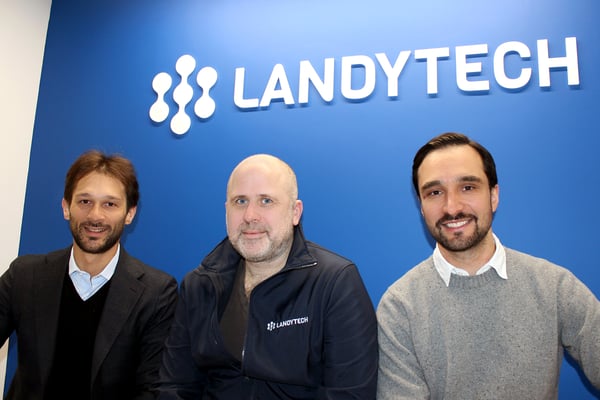
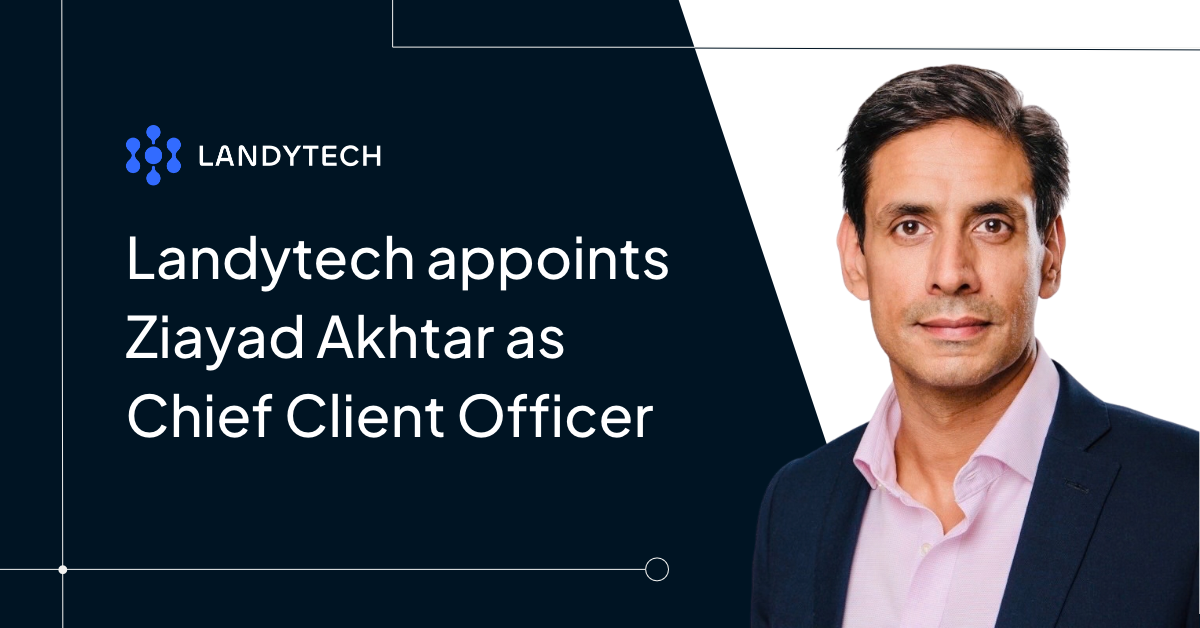
Landytech is proud to announce the promotion of Ziayad Akhtar to Chief Client Officer where he will help shape company strategy alongside leading client success.
Family offices are rethinking build versus buy. The real test isn't custodian coverage, it's how feeds are maintained, data integrity is protected, and analytics get produced.
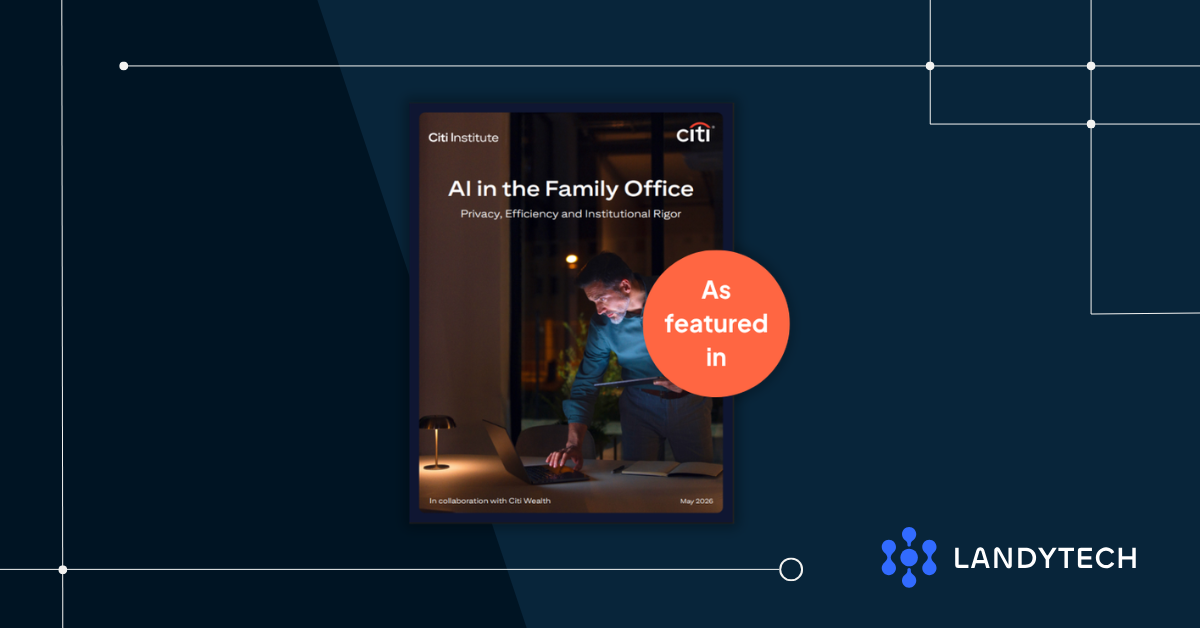
Landytech features in Citi Institute's 2026 AI in the Family Office report — key findings on AI adoption and what they mean for family offices evaluating fintech.
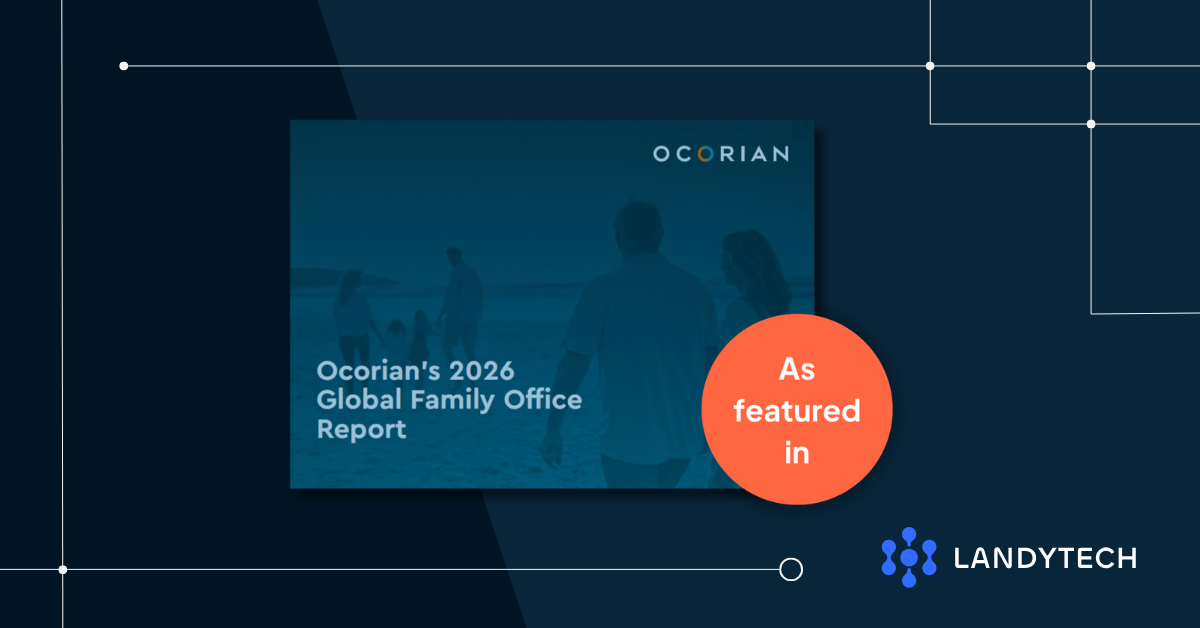
In Ocorian's Global Family Office Report 2026, Landytech shares insights on how family offices are harnessing data, AI and reporting for strategic decision-making.
A comparison of the leading family office software platforms for single family offices in 2026, evaluated against the connectivity, analytics depth, reporting flexibility, AI capability, and security standards that UK and European SFOs require.
Landytech and Tamarix have partnered to automate the sourcing and processing of private asset data directly from GP portals, complementing Landytech's existing automated custodian feeds to help clients achieve greater automation across their full data consolidation workflow — all within the Sesame One platform.
Family office data aggregation tools vary significantly in the quality of what they actually deliver. A framework for evaluating connectivity, normalisation, alternatives coverage, and data governance before committing to a platform.
AI capability in a family office is only as good as the data infrastructure beneath it. A look at what needs to be in place before AI delivers reliable insight.
Evaluating family office software requires more than a feature comparison. A framework covering data infrastructure, analytics depth, security architecture, and AI readiness to help family offices make the right decision.
Not all bookkeeping automation solutions deliver the same efficiency gains. What separates a platform built for trust company operations from one that falls short where it matters most?
Most family offices still rely on spreadsheets for investment reporting. A look at where that process breaks down, what automation delivers instead, and how to make the transition without disrupting the team.
The questions family offices ask about AI are not really technology questions. They are trust questions. A look at what trustworthy AI looks like in practice and the standards worth insisting on.
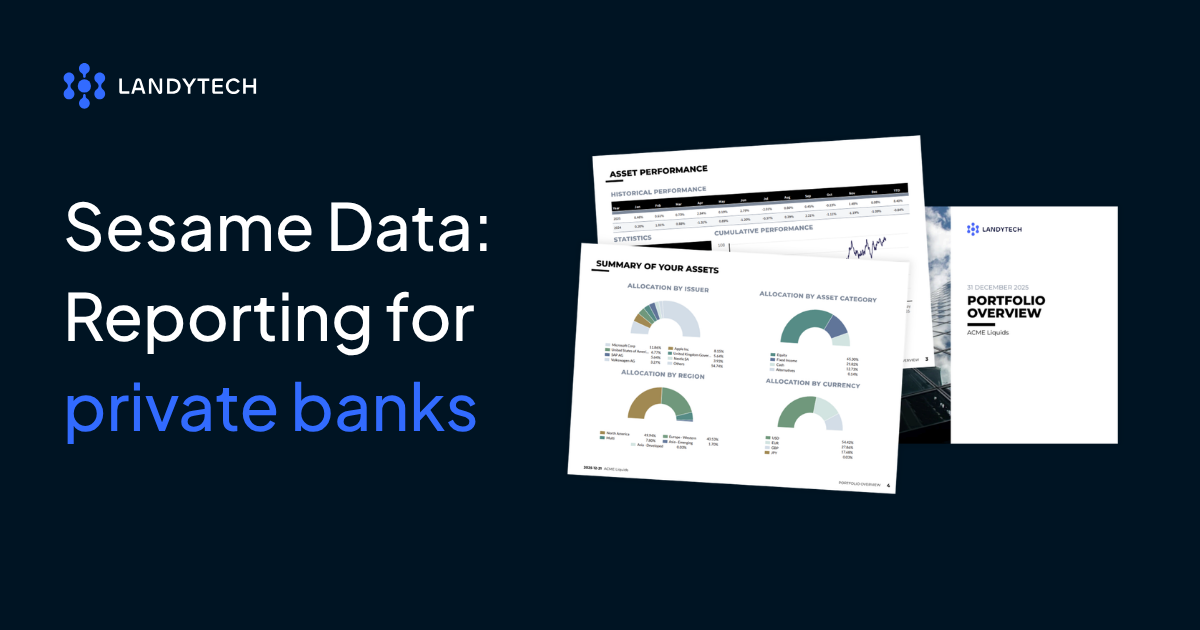
Sesame Data gives private banks a modular analytics and reporting infrastructure that integrates with existing systems, empowers relationship managers, and elevates the client experience without the cost and complexity of building in-house.
Building reporting capability in-house feels like the right answer for private banks that want control and differentiation. Learn why most eventually stop, and what the alternative delivers instead.
Private banks are losing ground with UHNW clients not because of poor investment performance, but because of poor reporting. A look at the gap between what clients now expect and what most banks are still delivering.
Family office software manages the data aggregation, reporting, analytics, and risk management needs of single and multi-family offices. A look at what the category covers, what to demand from it, and how the best platforms are evolving.
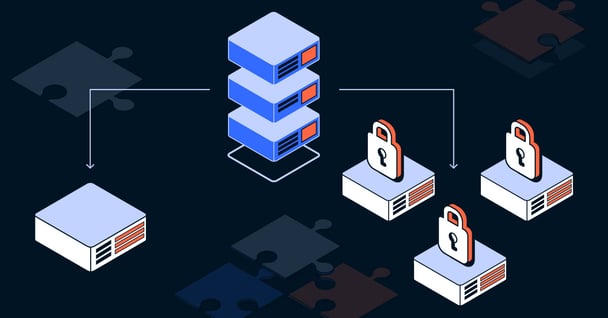
A physically isolated database means your data lives in its own dedicated environment, separate from every other organisation. Learn why this matters for family offices.
The objections single family offices raise against AI adoption, from data security to discretion, and why AI built specifically for the SFO context resolves each one.
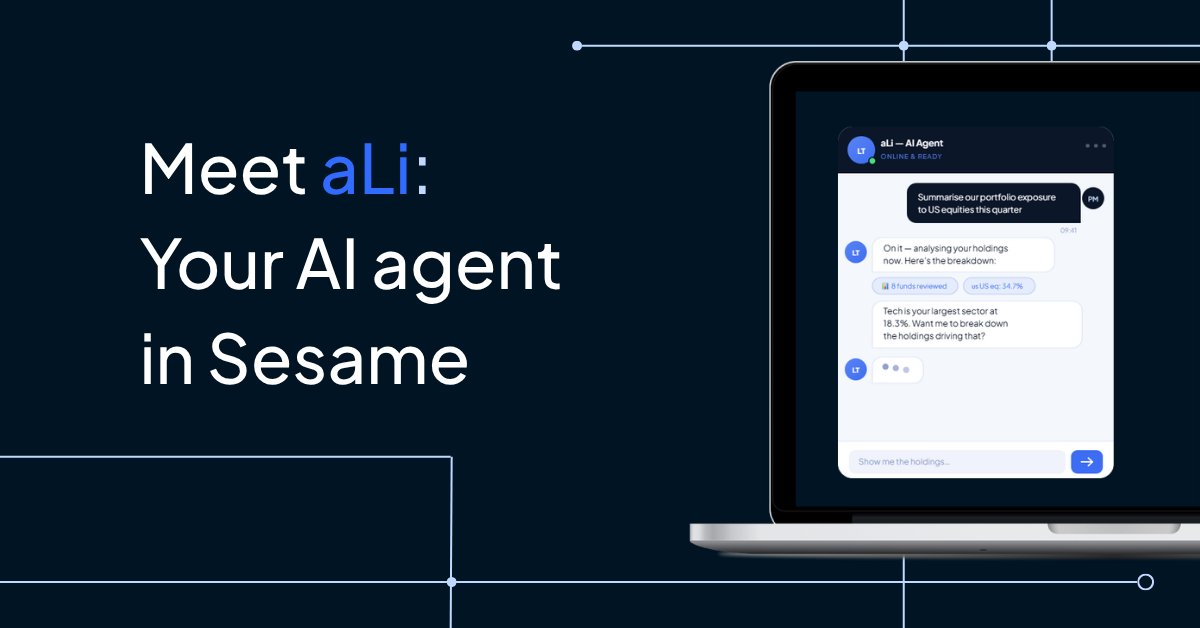
Discover aLi, the AI agent built for family offices inside Sesame One. Ask questions, get instant portfolio insights, and spend less time searching for answers.
Family office reporting is shifting from static, scheduled documents to on-demand, AI-powered insight. A look at where the standard is heading, what is driving the change, and what it means for how offices serve the family.
Manual data sourcing costs family offices time and accuracy. Learn how the most sophisticated offices are replacing manual processes with automation and AI.
Find out how family offices across the globe are using Sesame One to take control of their data, reclaim time, and deliver reporting that genuinely impresses.
From reactive reporting to proactive advice: how relationship managers can deliver real-time portfolio insights with consolidated data and live analytics.
Sesame Data introduces a modular solution designed to help trust companies and private banks operate more efficiently while strengthening their role as trusted advisors
Family offices manage some of the most complex data environments in private wealth. A look at the five data challenges that consume the most time, create the most risk, and matter most to address.
Alternative investments now account for nearly half of family office holdings. A look at the five reporting challenges this creates and how the best-run offices are addressing them.
In a data-driven world, trusted advisors need more than information. See how better data foundations unlock clarity, insight and stronger client relationships.
Manual processes, fragmented data, and time-consuming reporting are the productivity challenges most family offices share. A look at where the hours are going and what the best-run offices are doing differently
Landytech CEO & Founder, Benjamin Mouté, explains how collaboration, innovation and a culture of continuous improvement are reshaping accounting and reporting for the trust sector.
Landytech has successfully passed its SOC 2 audit, underscoring its commitment to the highest standards of data protection, availability and confidentiality.
Family offices today have likely already invested in digital tools, reporting platforms, and cybersecurity frameworks. But without a long-term structured and secure data foundation, all of that rests on shaky ground.
Guest author and structured product specialist, AYDO, explores how these instruments may help investors navigate uncertain markets through defined outcomes and tailored exposure
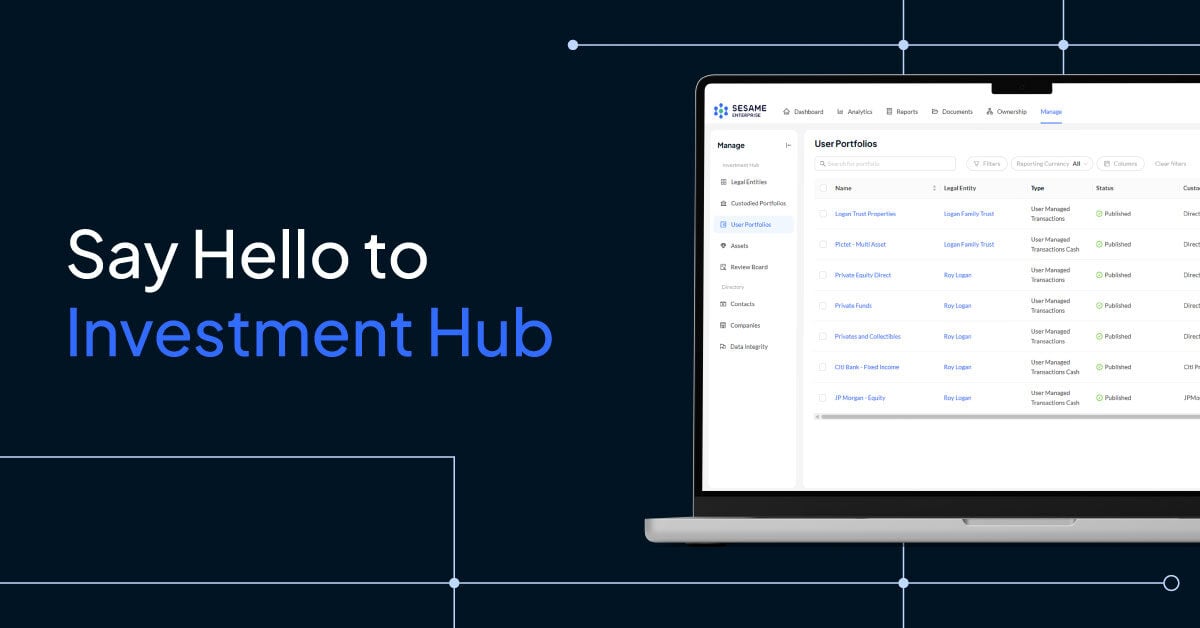
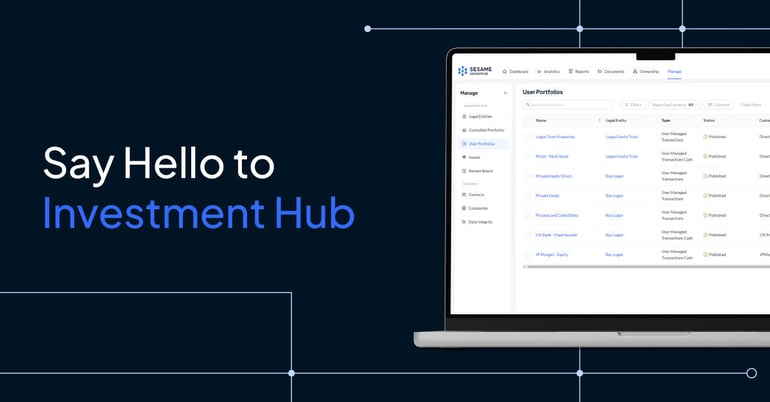
Asset owners need tools that make the management of assets, portfolios and legal entities as simple as possible. That’s why we’ve built Investment Hub.
Dexbridge will leverage Sesame for Partners to provide family offices with an integrated solution to streamline data aggregation, analytics and reporting
Landytech COO, Gregory Chouette, talks to WealthBriefing Acclaim Magazine on how our flagship platform, Sesame, is revolutionising client reporting for wealth managers and advisors.
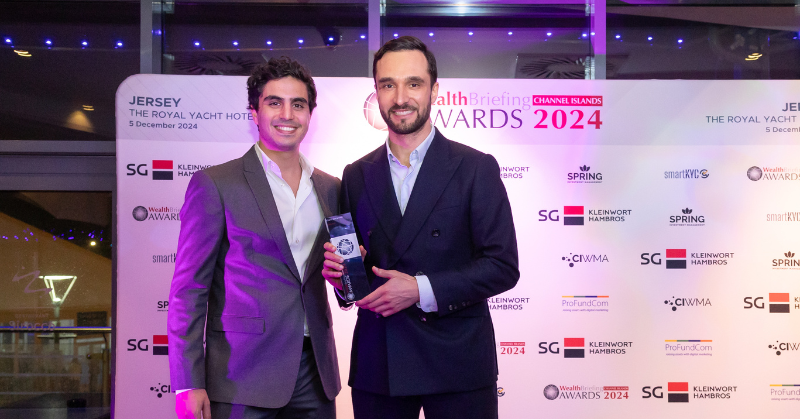
Leading wealth management industry participant, Landytech has been selected as a winner in the ‘Client Reporting’ category at The WealthBriefing Channel Islands Awards 2024
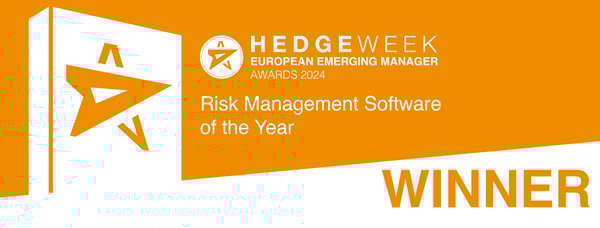
Hedgeweek names Landytech Risk Management Software of the Year 2024 for its innovative solution, empowering hedge funds to excel in risk analytics and reporting
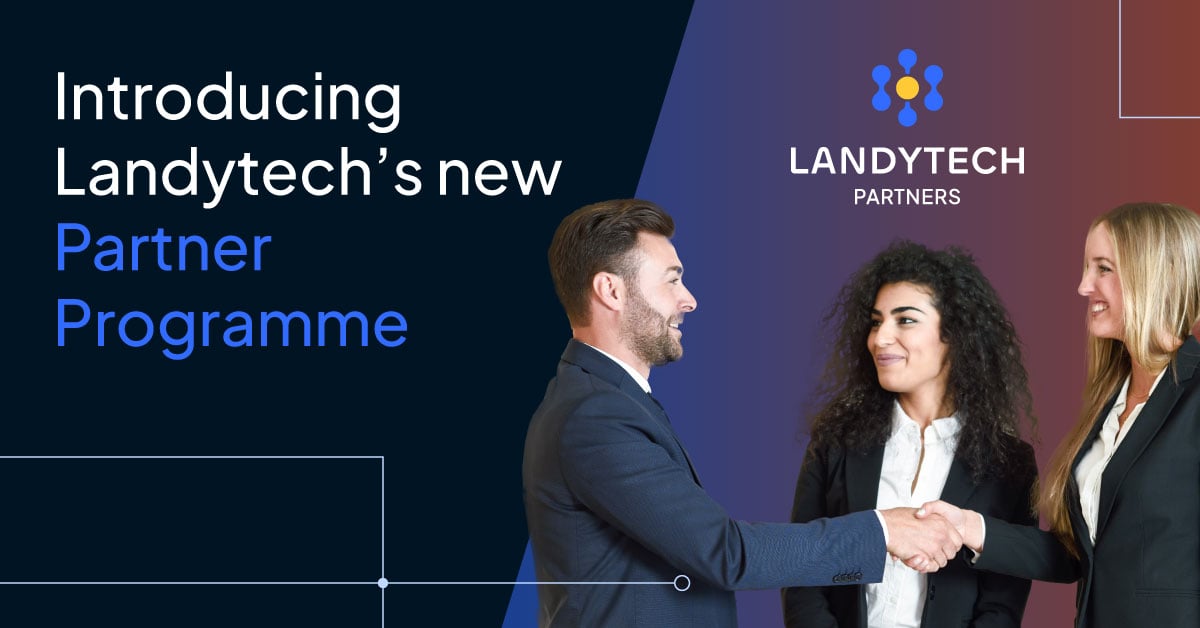
We’re excited to announce the launch of our new Partner Programme—a strategic initiative designed to forge stronger, mutually beneficial relationships with partners across the investment management ecosystem.
Discover the latest Sesame feature releases, including a powerful interactive analysis tool and a mobile app for keeping you informed whilst you are away from your desk.
Scouting SIM Family Advisors partners with Landytech to enhance investment management for HNW & UHNW clients with consolidated data and advanced reporting.
Explore key governance practices for family offices to achieve stability, longevity, and success, including investment committees, non-executive directors, and reputation management.
Landytech, the leading European investment management platform, is proud to announce that it has recently been awarded ISO 27001 certification, an accreditation that reinforces its ongoing commitment to the highest standards of information security.
Unlock your portfolio potential by mastering multi-asset factor models to identify and manage hidden risks. Optimise your investments with these insights.
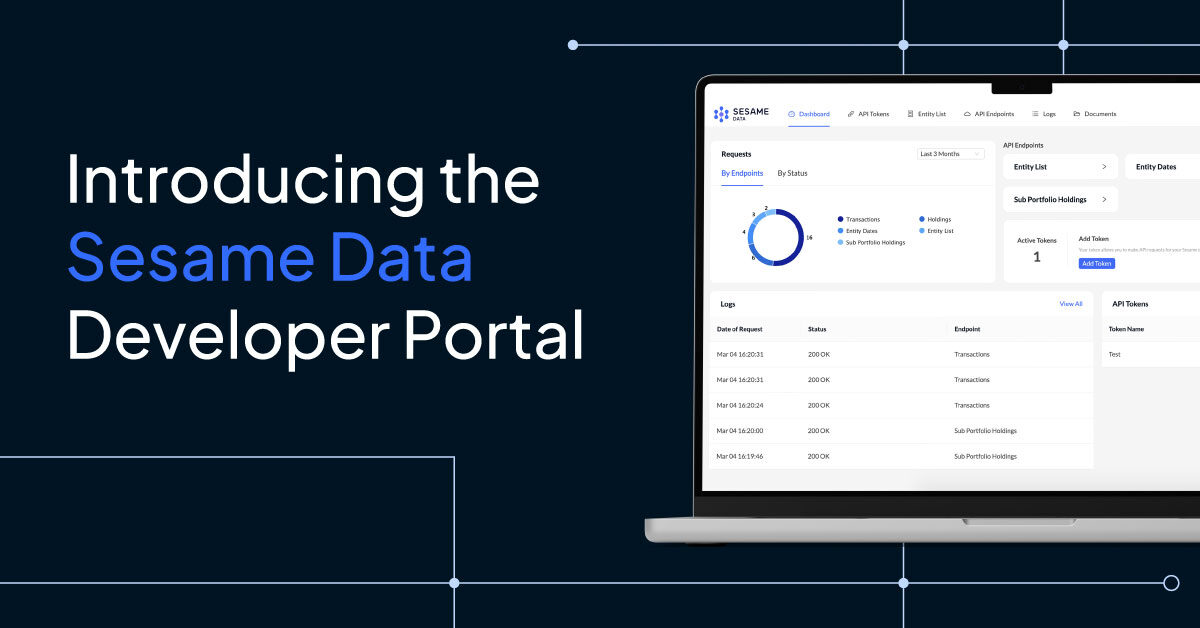
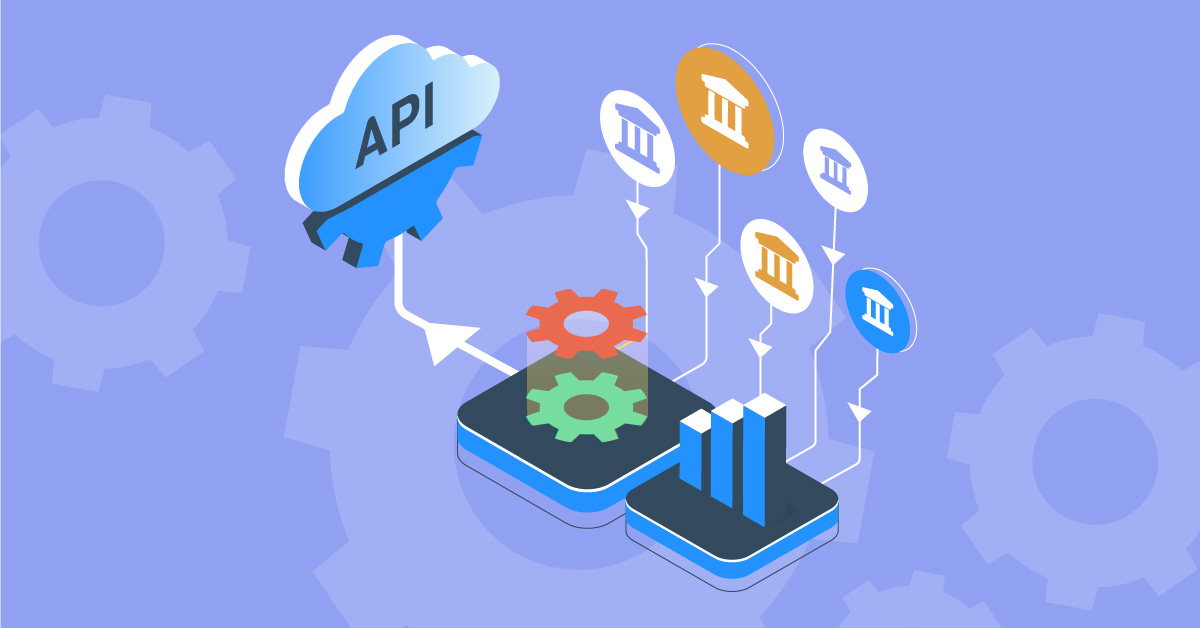
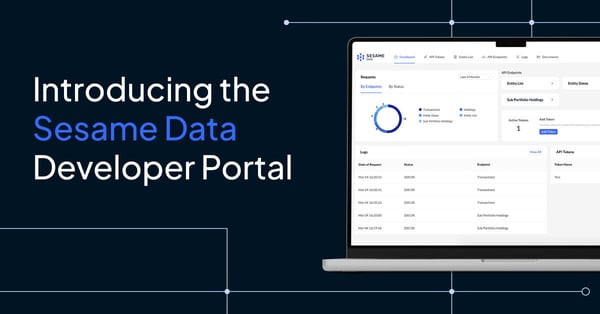
The Sesame Data Developer Portal empowers developers with API tools and documentation to streamline integration and create data-driven business processes quickly.
2023 was another busy year of exciting client partnerships and new product launches at Landytech. With 2024 upon us, we look back at some of the key accomplishments from the past 12 months.
Landytech is delighted to announce a strategic partnership with BDO Jersey, one of the largest independent chartered accountants in the Channel Islands.
Risk management is a complex domain of expertise. Navigating today’s fast-paced, globalised investment world takes a proven infrastructure, along with specialist risk and technology skillsets to deliver the timely, high-quality results allocators expect.
In this blog, we will delve into the concept of interoperable data, its benefits, and why it is essential for trustees to harness the full power of their data.
Investment reporting scale-up Landytech raises $12M in Series B funding to support the acceleration of its go-to-market strategy and expansion initiatives
Leading private wealth management industry participant Landytech has joined the ranks of an elite global group who have been handed the honour of winning a WealthBriefing Award.
Landytech is delighted to be featured as one of the world’s leading family office software providers, in the 2022 Forbes Family Office Software Roundup.
As trustees start their journey to a digitalised future, there are multiple complex data challenges they must overcome. Here’s how firms can go about solving them.
As family offices deliberate on how best to navigate the choppier waters ahead, here are five ways that data and technology can help you stay on the front foot in volatile markets.
When it comes to investment monitoring, many trustees still rely on reports from investment consultants and the associated manual data consolidation and client reporting processes. Discover how technology is creating a better future.
In order to be SFDR compliant, firms will be dependent on both reliable and trustworthy data. Learn more about the key challenges firms need to overcome.
In this regulatory round-up, we break down the key regulatory updates and their practical implications for EU and UK-based asset managers in the coming months.
Asset managers must demonstrate that their fund disclosures and reporting approach meets parameters which are strictly linked to ESG reporting criteria.
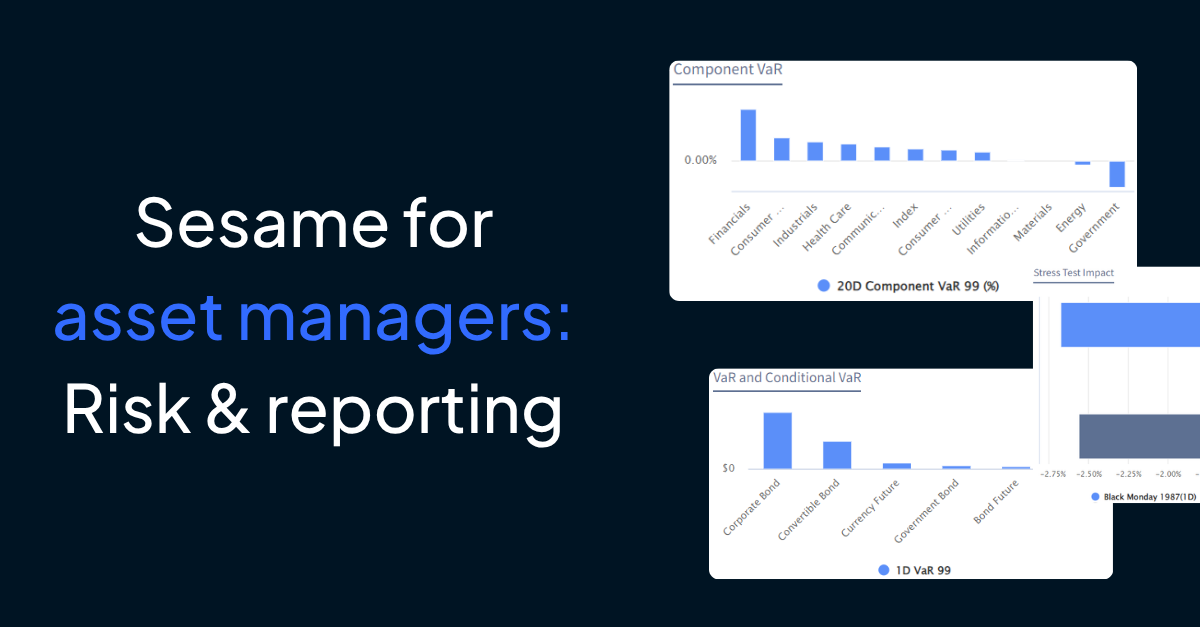
Asset managers competing for institutional mandates need risk and reporting infrastructure that matches allocator expectations, without the overhead of building it in-house. A look at how Sesame transforms that capability for growing managers.
When deciding which jurisdiction is the most suitable for an offshore trust, there are several factors to consider. In this blog we explore the top locations to set up an offshore trust.
Intergenerational wealth transfer is one of the main causes of client attrition, as clients pass and beneficiaries take their assets elsewhere. How can technology help multi-family offices deepen relationships with future generations.
Investors now expect on-demand, granular reporting, and legacy processes are straining under the pressure. So how can you create reports that clients love?
In a fully digitalised and automated process, reporting can become so much more than just stale, one-way broadcasting. It can redefine client experience.
Sesame Data takes on the most intensive parts of the data management process, without the need for a costly server-based system, increasing the quality of your data and streamlining internal processes
The need to manage large volumes of data and perform complex calculations at speed have left many firms’ legacy systems and outdated technology struggling to keep up. It’s time to take to the cloud.
With risk management an increasingly central focus in investor and consultant due diligence examinations, asset managers’ ability to attract allocations is ever more closely tied to their risk capabilities.
Ultra-high-net-worth (UHNW) families typically have a plethora of accounts, portfolios, trusts and managers, yet not having a complete picture of their holdings can be frustrating.
Landytech is delighted to announce the completion of its Series A funding of $6m. The funding has been raised primarily from Adelie Capital and Greenwood Way Capital, a number of family offices and financial influencers also participated in the funding round.
The art market is growing again, its buyers are getting younger, and far fewer of them want to sell. For family offices, fine art is earning a place alongside every other asset on the balance sheet.
London, 8th October 2026 — Landytech, the technology provider for investment management professionals, today announced the promotion of Ziayad Akhtar from VP Services to Chief Client Officer. He joins the company's executive leadership team, where he will help shape company strategy alongside leading client success, onboarding, data operations, professional services and support.
Ask most family office operations teams where their consolidation breaks down, and the answer is rarely the custodian feeds. It's everything that arrives outside them: the bank statement from an institution with no feed, the capital call notice from a private fund, the quarterly update that lands as a PDF. Each one holds holdings and transactions the consolidation needs. Yet for most family offices and asset owners, getting that data into the system has always meant someone reading the document and keying it in by hand.
Ask most family office finance teams which part of the quarter they dread most, and the answer is often a tie: investment reporting and closing the books. Both draw on exactly the same activity, the same trades, cash movements and income events. Yet for most family offices and asset owners, they have always lived in separate systems, maintained separately, and brought together by hand.
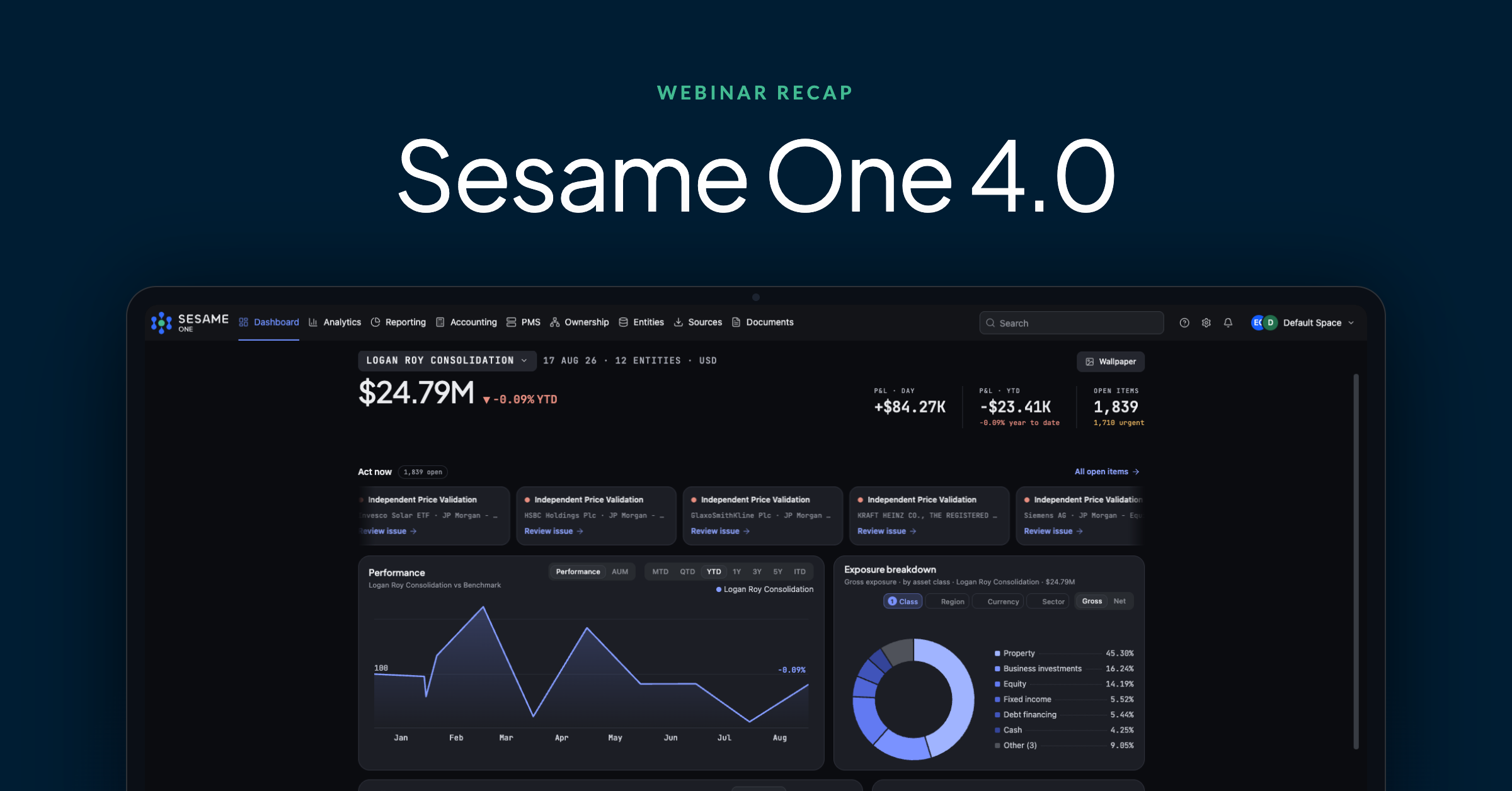
Last week we hosted the launch webinar for Sesame One 4.0, the biggest release in the platform's history. Hugh from our product marketing team walked through the thinking behind the release and the new capabilities, and our product team, Benjamin, Ramis and Eddie, answered a packed round of audience questions.
If you missed it, or want a refresher, here are the highlights.
Build versus buy: how family offices should evaluate technology infrastructure in the AI era
For most single family offices, the build versus buy question is no longer a close call. Complex portfolios, more jurisdictions, and rising AI expectations have raised the bar for what any internal team can realistically maintain. What matters most today: how custodial data feeds are maintained, how data integrity is protected, and how that data becomes usable analytics.
Every family office is being asked the same question: are you ready for AI? Most answer it by evaluating tools, comparing chatbots, dashboards and copilots, as if readiness were a shopping decision. AI is only as useful as the data it can see, though, and for most family offices that data is scattered across several systems that don't speak to each other. Readiness has little to do with which tool gets chosen, and everything to do with what sits underneath it.
The Citi Institute's AI in the Family Office report (May 2026) maps the fintech landscape for single family offices working through vendor evaluation, with Landytech included among the providers in the performance reporting and intelligence space.
Family offices are becoming more sophisticated, more global and more complex. As the Ocorian Global Family Office Report highlights, they are evolving into institutional-grade organisations, yet many are still operating on fragmented data foundations.
The single family office software market has expanded significantly in recent years, with more platforms competing for the same mandates than at any previous point. For a UK or European single family office beginning or reviewing a software evaluation, the volume of options is not the challenge. The challenge is knowing which capabilities to prioritise and which vendor claims to scrutinise.
London, 28 May 2026 — Landytech, the company behind the all-in-one investment management platform for family offices, Sesame One, today announced a strategic partnership with Tamarix, an AI operating system for limited partners purpose-built to automate private markets data workflows. The partnership enables family offices to manage alternatives with the same discipline as traditional assets, by automating private markets data from Tamarix into Sesame One.
Data aggregation is the least visible part of a family office platform and the most consequential. It is the layer nobody sees in a demonstration, the capability that rarely features in a vendor's marketing materials, and the foundation on which every report, every analytics output, and every AI-generated response depends. It is also the area where the gap between platforms claiming equivalent capability is widest.
The conversation about AI in family offices has moved quickly from whether to consider it to how to implement it well. For offices that have decided AI is worth pursuing, the most important question is not which AI tool to choose. It is whether the data environment the AI will operate on is ready to support it.
The family office software market has expanded significantly in recent years. There are more platforms, more feature sets, and more vendors claiming to solve the same problems than at any previous point. For a family office beginning or revisiting an evaluation, the volume of options available is not the difficult part. The difficult part is knowing which questions to ask, which answers to take seriously, and which capabilities to prioritise over which others.
Most trust company leaders already know that manual bookkeeping is a problem. The question is rarely whether to automate. It is how to justify the investment internally, and how to frame the case in terms that resonate with those making the final decision.
The case for automating bookkeeping in a trust company is well-established. Manual transaction posting is time-consuming, error-prone, and scales badly as the client book grows. The efficiency gains available through automation are real and significant. The question is not whether to automate. It is which approach to automation actually delivers those gains in a trust company context, and which approaches fall short in ways that are not always obvious during an initial evaluation.
The spreadsheet is one of the most enduring tools in the family office. Flexible, familiar, and available without any implementation project or vendor relationship, it has served as the default system for data consolidation, portfolio tracking, and report production for as long as most teams can remember. For many offices, it still does.
The single family office is built on a particular kind of relationship. One that has been developed over years, sometimes decades, and that depends at every point on discretion, reliability, and the confidence that sensitive information will never be handled carelessly. The principals who place their wealth under the stewardship of a family office are not purchasing a service in the conventional sense. They are extending trust. Everything the office does, from its investment process to its reporting to the tools it chooses to operate with, is an expression of whether that trust is warranted.
For a COO of a private bank, the reporting challenge is rarely framed as a technology problem. It surfaces as something else: relationship managers who are not as prepared as they should be, client meetings that drift toward operational updates rather than strategic conversation, and a creeping sense that the bank's reporting capability is not keeping pace with what clients have come to expect from their most important financial relationships.
For a private bank with a strong technology team and a clear sense of what its clients need, building reporting capability in-house is an attractive proposition. The logic is straightforward: proprietary technology means full control over the client experience, the ability to differentiate on capability, and no dependency on a third-party vendor whose priorities may not align with the bank's own.
The most valuable clients a private bank holds are also the most mobile. Ultra-high-net-worth individuals and families with complex, multi-asset portfolios have more options available to them than at any previous point, more providers competing for their assets, more technology enabling them to see exactly what they hold and how it is performing, and a growing expectation that their primary banking relationship should match the standard set by the best of those alternatives.
Family office software is technology built to manage the operational and analytical demands of a family office: aggregating portfolio data from multiple sources, producing consolidated reporting across complex ownership structures, delivering the analytics and risk management capability the investment team needs to make informed decisions, and doing all of this in a way that reflects the specific governance, security, and discretion requirements of an organisation managing one family's wealth.
Institutional-grade is a phrase that appears frequently in financial technology marketing and means precisely nothing without further definition. It implies rigour, depth, and sophistication, but those qualities are only meaningful when they are translated into specific analytical capabilities that address the actual complexity of the portfolio being managed.
Data aggregation is the process of collecting portfolio data from multiple sources, standardising it into a consistent format, and presenting it as a single, unified view of the family's wealth. Instead of reviewing statements from individual banks, custodians, fund administrators, and private asset managers separately, the office works from one consolidated picture that reflects the complete portfolio in real time.
A physically isolated database is a data environment that is dedicated entirely to one organisation and architecturally separate from the data of any other. The family office's data does not share infrastructure, processing layers, or storage with any other organisation using the same platform. It exists in its own environment, under its own controls, accessible only to those the office has explicitly authorised.
Consolidated reporting is the production of a single, unified view of a portfolio across all assets, custodians, currencies, and legal structures. Rather than reviewing statements from individual banks, fund managers, and administrators in isolation, consolidated reporting brings all of that information together into one coherent picture, updated from a single data source, and presented in a format that reflects the way the family actually holds its wealth.
The decision to adopt AI in a single family office is not a technology procurement exercise. It is a question of partnership, and it deserves the same rigour the office applies to every other significant relationship it enters. The vendor landscape is expanding quickly, and the claims made within it are not always matched by the substance behind them. A family office that approaches AI selection with the same discipline it brings to counterparty due diligence will make a significantly better decision than one that evaluates on capability alone.
Three objections come up reliably when single family offices are asked about AI. The technology is built for a different kind of institution. The data risks are too significant. And the office simply does not have the problem AI is designed to solve. Each of these positions is reasonable. Each of them is also becoming harder to hold.
"The data risk is too great"
This is precisely the right question to ask, and the standard it implies is exactly the right one to apply. A single family office manages some of the most sensitive financial information in existence. Many AI tools currently available were designed for enterprises willing to accept shared infrastructure as a condition of convenience. That is a trade-off the SFO context does not permit.
The appropriate response is to demand AI built with this environment in mind: architectures in which data is held in fully isolated, per-client environments, security credentials that are independently audited and verifiable, and systems over which the office retains complete control. That standard exists. The question is whether the tools being evaluated meet it.
"AI was built for large institutions, not for us"
The early wave of AI in financial services was indeed designed for scale. Institutions managing thousands of accounts, processing millions of data points, and searching for signal in volumes of information no team could manually review. That challenge has little in common with the single family office, where proximity to the portfolio has never been the issue.
The SFO's problem is a different one. Time disappears into reconciling data across custodians, assembling performance summaries ahead of review meetings, and responding to questions from the principal that require several members of the team to pause their work and locate an answer before the following morning. This is not complex work, but it consumes hours that would otherwise be directed toward judgement, relationships, and considered thinking that no software can replicate. The opportunity cost, compounded across weeks and quarters, is substantial. AI designed for the SFO context addresses precisely this: not the scale problem of the institution, but the repetition problem of the specialist team.
"We don't have the problem AI solves"
This objection tends to dissolve when the question is made specific. How long does it take to answer an ad hoc question from the principal? How much preparation time goes into a review meeting? How many hours per week does the team spend retrieving and formatting information rather than analysing it?
When those conditions are satisfied by the right tools, the day-to-day experience of the team changes in practical ways. A question that previously required pulling data from multiple sources takes minutes rather than hours. A performance summary that once demanded significant preparation can be assembled more quickly. The investment philosophy of the office remains unchanged. The relationships, the discretion, the judgement that defines a well-run SFO, none of that is altered. What improves is the speed at which routine information tasks are completed, freeing the team's attention for work that genuinely requires their expertise.
The case for acting now is about stewardship
The strongest argument for AI in the single family office is not operational. The family office exists to steward wealth across generations, and that responsibility is best discharged by a team with the time and information to think clearly, advise confidently, and act decisively. When routine data tasks consume a disproportionate share of the team's week, portfolio analysis is shallower than it should be, decisions are made under time pressure, and the quality of insight presented to the family suffers quietly. A team that can retrieve and synthesise information quickly is a team that spends more time on the work that genuinely serves the family. Over years, that difference compounds in ways that matter far more than any single efficiency gain.
Single family offices manage multi-custodian, multi-entity, multi-currency wealth across public and private markets, typically with a small team. The capability is there. The raw data is there. But when a family or team member asks a simple question: "how did we perform last quarter?" or "what's our exposure to US tech?" the answer still takes half a day.
The path from question to answer runs through an analyst, a spreadsheet and a manually built report. Industry surveys suggest more than half of asset owners still rely on spreadsheets for this work, consuming roughly a week of manual effort every month. That is time the team is not spending on decisions that improve portfolio performance.
Family office reporting has changed more in the past three years than in the previous decade. The combination of automated data aggregation, institutional-grade analytics, and now AI-powered querying has shifted what is technically possible to a point where the static quarterly PDF, assembled manually from custodian statements, is no longer an adequate benchmark. For offices that have not kept pace, the gap between what they produce and what the best-run offices deliver is widening.
The data challenge facing a modern single family office is not a shortage of information. It is an excess of it, arriving from too many sources, in too many formats, on too many different schedules, with no common standard between them. How a family office chooses to address that challenge has a direct bearing on the quality of its reporting, the reliability of its investment decisions, and the amount of time its team spends on work that genuinely requires their expertise.
Family office reporting has changed. The days of emailing Excel files between custodians, manually reconciling positions across spreadsheets, and presenting a static PDF once a quarter are numbered. Families are more sophisticated, portfolios are more complex, and the bar for service has never been higher.
A client calls asking why their portfolio is down 3% this quarter when markets are flat. Two days and a data pull later, the answer arrives. By then, the relationship has already taken a small but real hit.
The data environment of a family office is, by its nature, one of the most complex in private wealth management. Wealth held across multiple custodians, asset classes, legal structures, and geographies. Private investments that arrive with no automated feed. Alternative allocations documented in unstructured PDFs weeks after month-end. And behind all of it, a team that is expected to produce timely, accurate, and comprehensive reporting from information that arrives in dozens of incompatible formats on dozens of different schedules.
Alternative investments have moved from the periphery of family office portfolios to the centre of them. Private equity, real estate, hedge funds, direct investments, and a growing range of other alternative structures now account for a substantial share of total holdings, with allocations continuing to rise as families pursue returns that listed markets alone cannot reliably deliver.
The productivity challenge facing most family offices is not a shortage of capability or ambition. It is a structural one. The processes built around data management, reporting, and portfolio oversight were designed for a simpler operating environment, and they have not kept pace with the complexity of the portfolios they now serve.
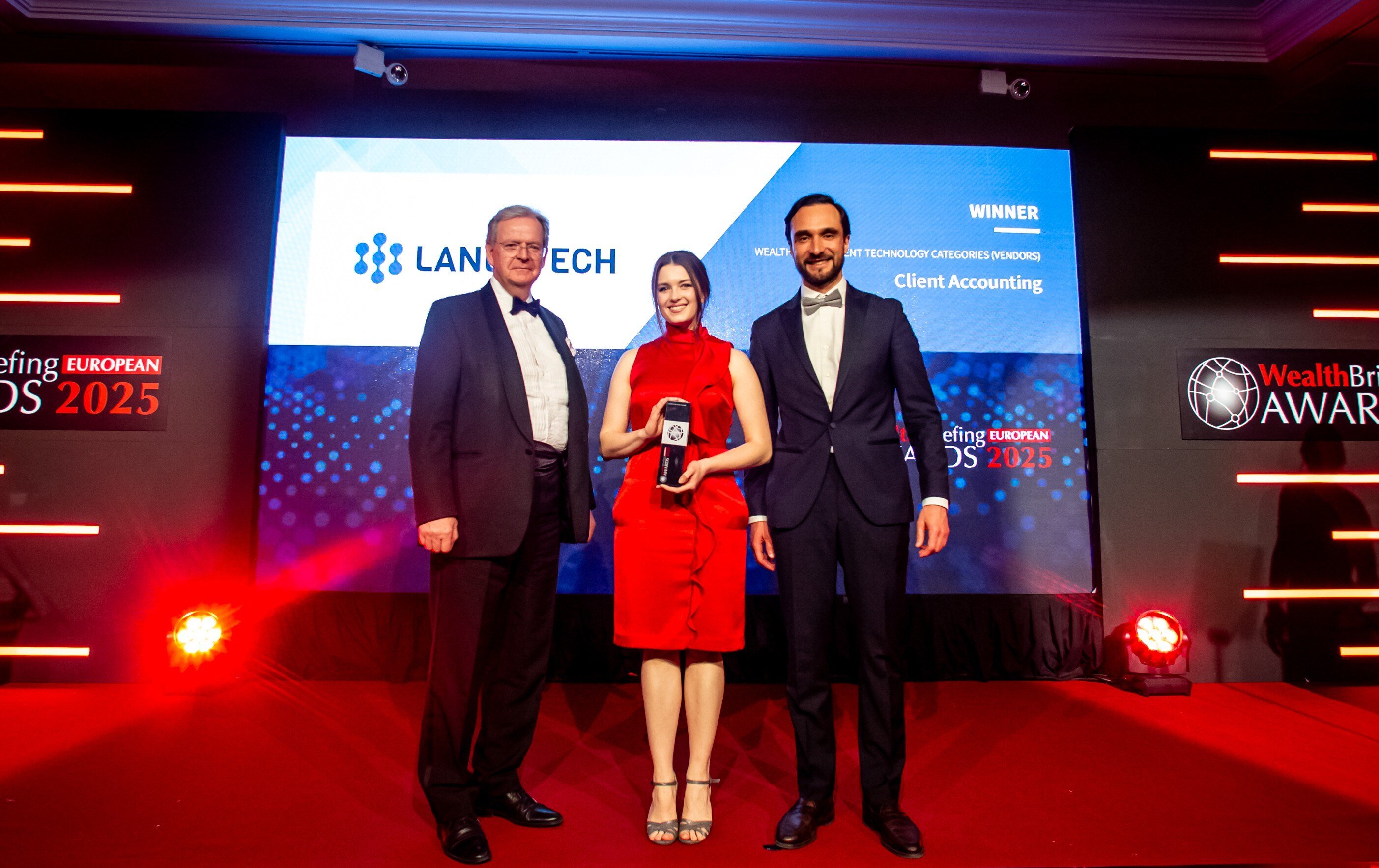
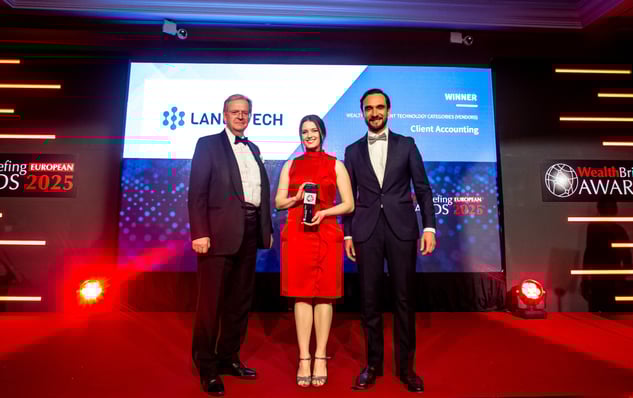
We're proud to announce that Landytech has been named winner in the ‘Client Accounting’ category at at the 2026 WealthBriefing Europe Awards for the second consecutive year, recognising the continued impact of our Sesame Data platform.
This marks another milestone in Landytech’s journey to transform how trust companies and private banks manage investment data, streamline operations and deliver high-quality client reporting at scale.
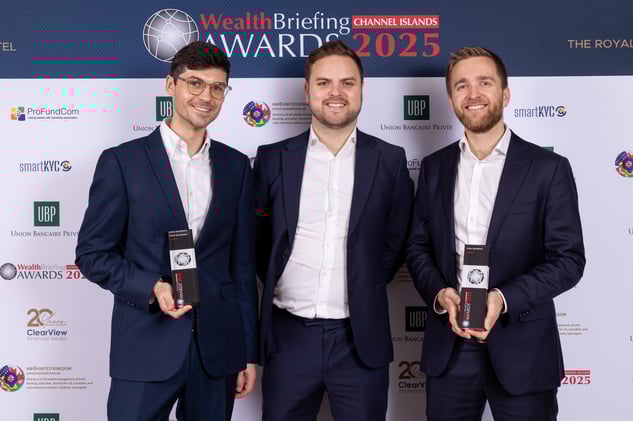
(L-R) Landytech's Matthew King, Amy Allpress and Benjamin Mouté accept the Client Accounting award at the 2026 WealthBriefing Europe Awards in London
The WealthBriefing European Awards celebrate excellence and innovation across the wealth management industry, with winners selected by an independent panel of judges.
This recognition reflects the growing importance of high-quality data, automation and reporting as firms look to scale operations, improve efficiency and deliver better client outcomes.
Sesame Data, our API solution, is designed to support this shift, bringing together custodial data, institutional-grade analytics, automated reporting and premium client delivery in a single, modular platform.
By integrating seamlessly into existing systems, Sesame Data enables trust companies and private banks to streamline accounting and reporting processes, deliver consistent multi-asset analytics, and produce high-quality, insight-led reporting at scale.
Markets may be near historical highs, yet many investors are increasingly focused on resilience rather than returns alone. Volatility has become more frequent, policy visibility remains limited, and geopolitical developments continue to influence capital markets.
Following Landytech's recent wins in the Client Accounting and Client Reporting categories at the 2025 WealthBriefing Channel Island Awards, Benjamin Mouté, CEO and Founder of Landytech, sat down with WealthBriefing to explain how collaboration, innovation and a culture of continuous improvement are reshaping accounting and reporting for the trust sector.
In the December 2025 issue of the We Wealth Family Office & Family Business magazine, Landytech CEO Benjamin Mouté shares his insights on how digital platforms are reshaping family wealth management, helping Italian Family Offices gain clarity, control and transparency over increasingly complex, multi-asset and multi-jurisdictional portfolios.
The original article in Italian can be accessed on the We Wealth website here.
We're proud to announce that Landytech has been named winner in both the ‘Client Accounting’ and 'Client Reporting' categories at the 2025 WealthBriefing Channel Island Awards.
(L-R) Landytech's Ben Goble, Hugh Porter and Matthew King accept the Client Reporting and Client Accounting awards at the 2025 WealthBriefing Channel Island Awards in Jersey
These awards are a testament to our commitment to transforming trust company and family office bookkeeping processes with Sesame Data, our API solution that automates bookkeeping with a single feed of aggregated and standardised custodian data, delivered seamlessly into internal ERP or bookkeeping systems, enabling greater operational efficiency and scalable data management.
The WealthBriefing Channel Islands Awards are part of a global programme run by WealthBriefing and its sister publications WealthBriefingAsia and Family Wealth Report, encompassing all the world’s major wealth management centers.
Participants around the world recognise that winning awards is particularly important in these challenging times as it gives clients reassurance in the solidity and sustainability of the winner’s business and operating model.
For decades, family offices have relied on trusted relationships and private networks to access opportunities in alternative investments. Introductions from peers, long-standing fund manager connections and closed-door referrals have formed the foundation of deal sourcing.
Alternative investments are becoming an increasingly important part of family office portfolios. As allocations grow, so does the challenge of finding high-quality opportunities that are relevant to each family’s investment strategy and tailored to their specific needs.
London, 16th October 2025 — Landytech, the investment technology provider powering operational efficiency and informed investment decision-making for leading wealth owners and their advisors, today announced its successful completion of its SOC 2 examination as of 16th October 2025 and includes the following scopes:
London, Wednesday 2nd July 2025 - Quantios, the leading SaaS provider to the wealth, trust, and corporate services industry, today announced a strategic partnership with Landytech, the investment technology company behind Sesame Data, a powerful suite of API solutions. This partnership will give Quantios Core customers the power of Landytech's data aggregation, analytics and reporting capabilities, further enabling digitalisation across trust administration processes.
The first phase of the collaboration, launching in August, will allow Quantios Core customers to benefit from bookkeeping automation via a native connector between Quantios Core and Sesame Data's custodian data API, enabling data from over 500 global custodians, banks and investment managers to flow seamlessly into the trust company's single source of truth.
The connector will accelerate Sesame Data implementation and time to value, with seamless mapping of clean and standardised transaction data from multiple sources to client entities within Quantios Core, significantly reducing manual data entry in bookkeeping.
For trust companies, efficiency and accuracy in bookkeeping are paramount. Yet, many trust companies in Jersey still rely on manual processes that consume valuable time and resources. Enter Sesame Data, an innovative solution designed to automate and streamline bookkeeping, offering unparalleled productivity gains and operational efficiency.
Ultra-high-net-worth families and institutional asset owners typically have portfolios that span multiple asset classes, data sources and currencies, and these investments may be spread across various legal entities such as holding companies, operating companies, trusts and foundations. This complexity makes creating a single source of truth difficult and time-consuming. Not only does this impact operational efficiency, but it can also have consequences for decision making that could ultimately lead to unexpected losses.
We're thrilled to announce that Landytech has been named winner in the ‘Client Accounting’ category at the WealthBriefing Europe Awards 2025.
Landytech's Gregory Chouette and Amy Allpress accept the award for Client Accounting at the 2025 WealthBriefing European Awards Gala
This award is a testament to our commitment to transforming trust company and family office bookkeeping processes with Sesame Data, an API that automates bookkeeping with a single feed of aggregated and standardised custodian data, delivered seamlessly into internal ERP or bookkeeping systems, enabling greater operational efficiency and scalable data management.
The annual WealthBriefing European Awards program recognises the most innovative and exceptional firms, teams and individuals. The awards have been designed to showcase outstanding organisations grouped by specialism and geography which the prestigious panel of independent judges deemed to have ‘demonstrated innovation and excellence during the last year’.
Each of these categories is highly contested and is subject to a rigorous process before the ultimate winner is selected by the judges. It is this process that makes WealthBriefing awards so prized amongst winners.
We are excited to announce our partnership with Dexbridge Capital, uniting deep investment advisory expertise with our cutting-edge analytics and reporting platform for family offices. By leveraging Sesame for Partners, this collaboration will deliver a combined solution that streamlines data aggregation, analytics and reporting, empowering mutual family office clients to manage complex, multi-generational wealth with more confidence and precision than ever before.
Through this alliance, clients can expect:
Unified data aggregation:A single, consolidated view of custodial and non-custodial assets, eliminating time-intensive manual processes. AI-enhanced tools transform alternative investment data management workflows, improving accuracy and efficiency.
Advanced analytics & reporting: Leverage comprehensive tools that deliver real-time performance insights, risk assessments, and customizable reporting to support data-driven decisions.
Integration & collaboration: Secure, mobile-enabled workflows that integrate across systems, boosted by automation for enhanced operational efficiency.
White-glove service: Dedicated support and training to ensure family offices transition confidently into modern, technology-driven operations.
Today’s family offices want to deliver a strong risk-adjusted investment performance that is aligned with family members’ priorities. To prove the value they’re adding, they also want to be able to communicate that performance, and the value of holdings, to families.
Landytech, an international provider of cutting-edge data aggregation and analysis services and creator of Sesame, an investment management platform for asset owners, managers and advisors, today announced a new relationship with Ocorian, a market leader in asset servicing for private markets, corporate, and fiduciary administration.
Ocorian will adopt the Sesame Enterprise platform to deliver a comprehensive reporting and analytics solution to their single-family office clients and leverage Sesame Data to automate bookkeeping and portfolio monitoring processes, differentiating their client-centric offering for private clients.
London-based Landytech has grown to a team of 120 staff in just five years, serving clients in over 30 countries. Sesame supports $100bn in assets under reporting, with direct connections to 500-plus custodians and access to 10,000- plus financial institutions through Open Banking APIs.
Trustee clients using Sesame have cut report preparation time by 80%, delivering higher-quality, more comprehensive reports and setting a new benchmark for efficiency and excellence. Landytech’s solutions directly tackle resource-intensive and time-consuming manual bookkeeping while streamlining delivery of client reporting and providing clients with timely and precise data.
The world of alternative investments is complex, fast-paced, and data-intensive. Managing and extracting information from private fund transactions, quarterly investor reports, and intricate investment agreements can be a slow, error-prone, and inefficient process.
In a fast-moving industry where precision and speed are non-negotiable, outdated document workflows create unnecessary risks and delays. EnterSesame Doc AI, a revolutionary AI-powered solution that transforms how investment professionals manage alternative investment documents.
Following Landytech's recent win in the Client Reporting category at the WealthBriefing Channel Island Awards, our COO, Gregory Chouette, had the pleasure of sitting down with Clear Path Media, the organisers of the awards, for an interview. In the discussion, Gregory shares insights into the foundations of our success, the challenges we’ve overcome and our vision for the future of wealth management.
Leading wealth management industry participant, Landytech, has been selected as a winner in the ‘Client Reporting’ category at The WealthBriefing Channel Islands Awards 2024.
Showcasing ‘best of breed’ in the Channel Islands region, the awards have been designed to recognise outstanding organisations grouped by specialism and geography which the prestigious panel of independent judges deemed to have ‘demonstrated innovation and excellence during the last year’.
Each of these categories is highly contested and is subject to a rigorous process before the ultimate winner is selected by the judges. It is this process that makes WealthBriefing Channel Islands awards so prized amongst winners.
The WealthBriefing Channel Islands Awards are part of a global programme run by WealthBriefing and its sister publications WealthBriefingAsia and Family Wealth Report, encompassing all the world’s major wealth management centers.
This recognition underscores our commitment to empowering hedge funds with cutting-edge tools to navigate and leverage risk analytics and reporting with confidence and precision.
For over a decade, the Hedgeweek European Emerging Manager Awards program has recognised excellence in fund performance and service provision within the emerging investment management industry. We are incredibly grateful to everyone who voted for us in the risk management software category; thank you for your support.
Winners were announced during the awards ceremony in London on 14th November 2024.
(L-R) Landytech's Max Wilson, Cathal Dennehy and Amy Allpress accept the award for "Risk Management Software of the Year" 2024
At Landytech, we are passionate about empowering asset stakeholders by revolutionising access to investment data and insights in one central platform. Today, we’re excited to announce the launch of our new Partner Programme—a strategic initiative designed to forge stronger, mutually beneficial relationships with partners across the investment management ecosystem. This programme is more than just a collaboration; it’s a growth opportunity for both Landytech and our partners, driven by shared success, innovation, and impact.
Sesame is a living ecosystem that constantly evolves to meet the changing needs of asset owners, managers and advisors. Regular updates are a core part of this evolution, to ensure that you can benefit from the latest innovations and improvements. And today we are announcing our biggest product release since we launched Sesame 3.0.
Five years ago, we brought Sesame to market with two core principles in mind. We wanted to automate the manual, tedious data tasks that hold asset owners, advisors and manager back, by providing the most comprehensive analytics and reporting platform in the market. And we wanted to provide these capabilities with a user experience that investment professionals would love.
These principles are helping us usher in a new era of investment management technology. And are the key reason this release includes a tool that allows you to interact with and analyse your data like never before, in addition to making the platform even easier to use. All on a foundation of industry-leading data integrity and security protocols.
Here are the new features we are very excited to be launching:
By adopting the Sesame platform developed by the European financial technology provider, Scouting will implement its data aggregation and analytics offering for families and work on the creation of an international Family Office community.
In the rapidly evolving world of investment management, data has become the new currency. At Landytech, we are committed to empowering asset owners, managers, and advisors with innovative technology that transforms complex, multi-asset data into actionable insights across the entire portfolio. As we continue to lead the industry as the best-connected investment management platform in Europe, we are excited to unveil our comprehensive brand refresh, designed to reflect our growth, vision, and technology-first approach.
Landytech, the leading European investment management platform, is proud to announce that it has recently been awarded ISO 27001 certification, an accreditation that reinforces its ongoing commitment to the highest standards of information security.
The ISO 27001 certification is internationally recognised and reflects Landytech’s commitment to maintaining rigorous information security standards. For Landytech, achieving this certification was a demanding process, involving a comprehensive and challenging audit that scrutinised every facet of its operations, from personnel to processes and technology. This certification is particularly timely given the current climate of heightened cybersecurity concerns across the investment management sector. It also sets Landytech apart as one of the few investment management platform providers to achieve such a standard, ensuring that it remains one of the most secure platforms in the industry.
Landytech’s CEO and Founder, Benjamin Mouté, emphasised the importance of information security to the company, stating, “We have always invested heavily in IT security and it was crucial for our client base of asset owners, managers and advisors to have our efforts validated through a highly respected accreditation.” He added, “This achievement is a testament to our team’s hard work and dedication to security amidst the evolving digital threats.”
The company’s Chief Technology Officer, Thomas Carsuzan, also reflected on the significance of this milestone, noting “At a time of increasingly sophisticated external threats, ensuring data security and privacy is one of our primary responsibilities. The ISO 27001 certification demonstrates our focus on protecting business-critical information, developer code, and operations but also reassures our clients that their data is secure with us.”
The scope of Landytech’s ISO 27001 certification is comprehensive, covering all employees, technologies, IT infrastructure, and information assets. The certification was conducted by the British Assessment Bureau, a third-party auditor accredited by the UK Accreditation Service (UKAS), ensuring an independent and rigorous validation of Landytech’s information security management system.
Since its inception in 2018, Landytech has been at the forefront of investment data consolidation, analytics, and reporting, offering a platform, Sesame, that automates the entire process from sourcing and consolidating data from custodians to the production of polished and comprehensive investment reports. With this ISO 27001 certification, Landytech not only solidifies its position as a leader in the industry but also sets the standard for operational excellence and security. Looking ahead, Landytech continues to innovate and enhance its offerings, reinforcing its commitment to leading the industry in both security and functionality.
Since we launched Sesame in 2019, Landytech has been on a mission to revolutionise the tools used for investment analysis and reporting, tackling the unique technical challenges that investment professionals face.
Over the past 4 years, our team has worked tirelessly to build a platform that provides you with a tool for automated data consolidation, enhanced portfolio analytics and streamlined report creation.
We envisioned Sesame 3.0 long before launching 2.0, and now, the next generation investment management platform is here to solve the most pressing challenges faced by today’s asset owners, managers and advisers.
To date, investment analysis and reporting have driven our platform’s success. But we realised that our users needed more: a central platform for all their day-to-day investment management operations. A source of truth not just for investment data, but all related information so that everyone in the team can access critical context and records in one single place.
The launch of Sesame 3.0 marks a fundamental shift, making Sesame your command centre for investment management. It’s better connected than ever, with a revolutionary new reporting tool and a completely new way for you to drive collaboration across your team. Discover the capabilities that have made us so excited to announce Sesame 3.0:
Landytech is delighted to be featured as one of the global leaders in family office technology in the 2023 Forbes Family Office Software Roundup. The roundup highlights companies supporting the core functions of data aggregation, day-to-day management, and reporting. Many family offices refer to the Forbes shortlist of providers as an invaluable resource when choosing a technology partner.
24th October 2023, London/Jersey - Today, Landytech, a leading technology provider for trustees, family offices and asset managers, is pleased to announce its partnership with BDO Jersey, one of the largest independent chartered accountants in the Channel Islands and a leading provider of Technology, Advisory and Assurance services.
Discover how a London-based family office replaced an Excel-based ledger system with Landytech’s Sesame One, a consolidated investment reporting platform designed for family offices, saving days each month on data consolidation and reporting.
Risk management is a complex domain of expertise. Navigating today’s fast-paced and volatile markets with confidence and clarity takes a proven infrastructure, along with specialised risk and technology skillsets to deliver the timely insights needed to make investment decisions quickly and provide the high-quality reports allocators expect.
Right from inception, asset managers need a robust, institutional-grade risk management capability to attract investor allocations and meet clients’ ongoing demands. Without one, you likely won’t even make it through the due diligence process. But what does an in-house risk management and reporting function need to have in practice?
Trustees have a core fiduciary duty to act in the best interests of their beneficiaries. In order to do so, they must gain an understanding of their long-term goals and aspirations. This is particularly important when it comes to investable assets.
In the face of fierce industry competition and regulatory pressures, trustees today face a squeeze on fees and significant margin pressures. It is forcing them to find operational efficiencies and differentiate their offering in a way that enables them to protect and increase their margins.
In a rapidly evolving landscape, asset managers are increasingly relyingon risk management providers. Meeting regulatory expectations and the needs of increasingly demanding investors means thatfinding the ideal partneris more important than ever.
The role of a trustee is a complex one, and as the world grows increasingly digital, managing assets and ensuring the proper administration of trusts can be an arduous task. In the face of fierce industry competition, trustees are looking for ways to reduce their operating costs and increase their margins. One way for trustees to get ahead is with interoperable data. In this blog, we will delve into the concept of interoperable data, its benefits, and why it is essential for trustees to harness the full power of their data.
Reporting on portfolios spanning multiple asset classes, currencies and geographies is a time intensive, manual process, often prone to errors. This complexity and the difficulties involved in producing consolidated reporting can result in concentration risk, inflated costs and ill-informed investment decisions.
In recent years, the use of managed investments in trusts has grown significantly. This has put the onus on trustees to regularly review these investments and scrutinise their corresponding fund managers, alongside the management of private assets such as property, yachts, and collectibles.
Competitive market pressures are stronger than ever, and volatility looks here to stay for a while yet, putting the onus on smaller and emerging asset managers to find new ways to adapt. As firms reassess operating models with urgency and look to differentiate their service against a backdrop of sustained pressure on fees and shifting investor product demand, what are the top 10 trends shaping the asset management industry in 2023?
Leading private wealth management industry participant Landytech has joined the ranks of an elite global group who have been handed the honour of winning a WealthBriefing Award.
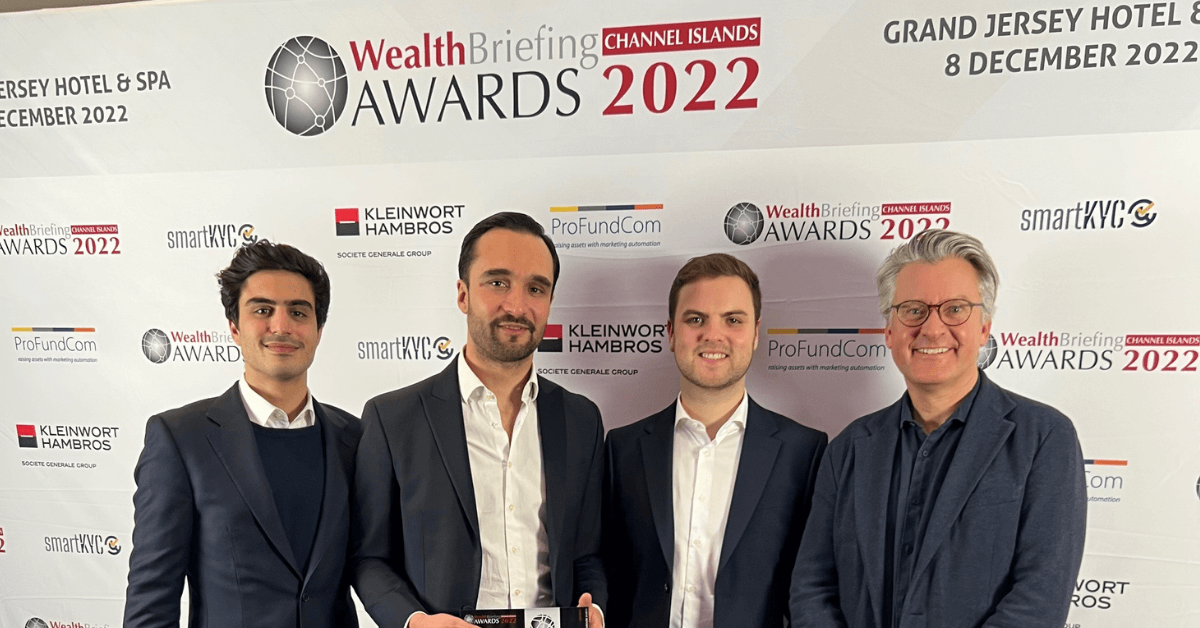
Landytech was awarded ‘Best Client Reporting’ at the Inaugural WealthBriefing Channel Islands Awards 2022.
Showcasing the best products, industry experts and service providers in the Channel Islands region, the awards have been designed to recognise outstanding organisations grouped by specialism and geography which the prestigious panel of independent judges deemed to have ‘demonstrated innovation and excellence during the last year’.
Each of these categories is highly contested and is subject to a rigorous process before the ultimate winner is selected by the judges. It is this process that makes WealthBriefing awards so prized amongst winners.
The WealthBriefing Channel Islands Awards are part of a global programme run by WealthBriefing and its sister publications WealthBriefingAsia and Family Wealth Report, encompassing all of the world’s major wealth management centres.
Participants around the world recognise that winning awards is particularly important in these challenging times as it gives clients reassurance in the solidity and sustainability of the winner’s business and operating model.
Commenting on the firm’s triumph, Benjamin Mouté, Chief Executive Officer, Landytech said:
Landytech is delighted to be featured as one of the world’s leading family office software providers, in the 2022 Forbes Family Office Software Roundup.
The report pays particular attention to companies supporting the core functions of data aggregation, day-to-day management, and reporting. Many family offices see the Forbes shortlist of providers as an invaluable resource when choosing a technology partner.
The report also shares insights into how family offices are adapting to turbulent markets, the ongoing cybersecurity threat, and the importance of planning for the next generation of wealth owners.
Landytech is the company behind Sesame, the investment reporting platform that brings clarity to complex wealth, enabling family offices to streamline processes and make more informed investment decisions.
Data-driven digital solutions have become table stakes for trustees. They are no longer a far-off, future project to which firms should aspire. Clients’ digital service expectations are evolving now, and trustees need to deliver.
However, the way many trustees currently manage their data today is hindering their attempts at a full digital transformation. As the data environment gets more complex by the day, manual processes are no longer up to the task.
The ultimate objective is the complete automation of repetitive trust administration processes. But that takes expertise and a sophisticated technology backbone that is inextricably linked to data management. It leaves trustees with a choice. Undertake the investment and implement the capabilities in-house, or partner with a specialist third party. Either way, it’s a decision that can’t be delayed.
As trustees start their journey to a data-driven future, there are multiple complex data challenges they must overcome. Here’s how firms can go about solving them.
After almost two years of record returns, market volatility and the looming threat of recession has left family offices anxious. Amid continued inflationary pressure and lower expected returns, some are looking to increasingly exotic portfolio diversifiers for outsized returns, whilst others seek to reduce risk and play it safe. All, however, are seeking opportunities to streamline their operations, against a backdrop of rising costs.
Asset managers continue to grapple with a number of challenges spanning cost squeezes, fee pressures and patchy returns. They are under pressure to find significant operational efficiencies, and fast. The question of how far managers should go in outsourcing and automating various functions to find these efficiencies has become a hot topic of discussion.
In recent years, family office portfolios have benefited from robust economic growth, relative geopolitical stability, persistently low inflation and interest rates, and relatively low volatility. But family offices, just like other financial market participants, now face greater uncertainty and elevated levels of market volatility.
Technology is vital for trustees looking to thrive in the modern world. Automating data management processes and autonomous investment monitoring doesn’t just help to save resources, it also gives trustees the opportunity to focus on delivering a better overall client experience, to enable business growth.
SFDR is one of the largest pieces of ESG-related legislation rolled out anywhere in the world, and their compliance requirements are a daunting prospect for fund managers and wider financial market participants.
Despite recent market turbulence, there has been no let-up in the deluge of new regulation on the way. It means asset managers are having to invest even more time, effort and money into meeting new requirements, posing a significant challenge for small and emerging managers, where funds, resources and staff are often in short supply.
There has been an explosion in the popularity of environmental, social, and governance funds in recent years. In light of this growth, fund managers have been increasingly keen to step up their commitment to ESG and its measurement.
The rewards for those that get it right are high. An authentic ESG strategy that is evident through a firm’s products, their investment process and data-driven reporting is easy for existing investors to understand and attractive to prospects that value ESG highly.
Asset managers must demonstrate that their fund disclosures and reporting approach meets parameters which are strictly linked to ESG reporting criteria. But reporting is not an easy landscape to navigate when it comes to ESG.
The EU has started to implement the Sustainable Finance Disclosure Regulation (SFDR), which sets out rules for classifying and reporting on sustainability and ESG factors in investments. But whilst regulators and industry bodies across the globe play catch up, there has been a distinct lack of guidance for asset managers compared to other more established investment reports.
Despite this ambiguity, there are three principles ESG reports should adhere to: authenticity, substance and defendable data. Asset managers need to be transparent on the methodological approach followed in their investment strategy, implementation of governance and the reporting in place.
Today, most asset managers have several options to demonstrate the transparency and accountability of their ESG funds. But how these are implemented for reporting depends on the ESG strategy in place, and the jurisdiction in which the asset manager is operating.
For a growing asset manager, the gap between the infrastructure you have and the infrastructure allocators expect is one of the most commercially consequential challenges you face. Institutional investors and consultants apply exacting due diligence standards before committing capital. They want to see robust risk management, accurate and timely reporting, and evidence that the firm has the operational discipline to support a significant mandate. Meeting that standard in-house, at the scale required and with the quality expected, carries a cost that most emerging and mid-sized managers cannot justify at their current stage.
The concept of the trust was created in England, but many Commonwealth jurisdictions have since adopted the concept into domestic law. A trust is a legally binding arrangement where someone transfers property to another person or legal entity for the benefit of a third party.
Interest in ESG has increased exponentially in recent years and there has been no sign of slowing in 2022, so far. But it is not just inflows to ESG funds that has been increasing. As policymakers turn their attention to environmental, social, and governance concerns, there has been increased pressure for asset managers to provide more data and consistent reporting around ESG investments.
Although a tightening of regulation is presenting asset managers with new data and reporting challenges that must be addressed, it is also creating new market opportunities. In particular, the opportunity to develop new fund vehicles that legitimately address environmental, social and governance concerns, and meet the demands of today’s ESG-conscious investors.
So, what are the trends shaping the ESG agenda for asset managers?
A considerable proportion of global wealth is owned by individuals who are close to or older than 60 years old – it’s been estimated that more than US$30 trillion will be transferred from one generation to the next over the next few decades.
Most family office advisors have spent the majority of their careers providing investment and financial advice to affluent baby boomers. But an aging client base poses a considerable risk to the long-term viability of multi-family offices.
Intergenerational wealth transfer is one of the main causes of client attrition, as clients pass, and beneficiaries take their assets elsewhere. If multi-family offices don’t develop relationships with their clients’ heirs, the chances of retaining assets are low.
So, how can technology help multi-family offices to deepen relationships with future generations now to ensure their business is futureproofed for decades to come?
When it comes to reporting, many firms still rely on outdated technology and legacy systems. Combining data from multiple sources and offline spreadsheets is an inefficient process that takes far too long, is highly prone to manual errors, and limits reporting flexibility.
It is no revelation that clients are increasingly savvy investors, and at a time of increasing market volatility and industry competition, expectations are soaring. Clients want on-demand, granular reporting, and legacy processes are straining under the pressure.
The EU has started to implement the Sustainable Finance Disclosure Regulation (SFDR), which sets out rules for classifying and reporting on sustainability and ESG factors in investments.
Many members of the investment management community, hesitant to act as early adopters, have resisted pressure to fully digitalise and automate reporting – so far. Firms often want to see that new technology has been implemented successfully at competitors before making the leap. However, across the investment management spectrum, the need for a radically different approach to investment reporting has never been greater.
Increased competition and industry consolidation makes delivering – and proving – higher returns more important than ever, requiring advanced analytics and reporting. It’s also putting the squeeze on fees, pressuring firms to reduce the total cost of ownership for their IT tech stack and legacy systems. More efficient solutions need to be found if operational alpha is to be achieved.
In this shifting landscape, implementing a data-driven, agile approach to investment reporting can help asset and wealth managers get back ahead of the game.
With the unrelenting effort that sourcing and standardising custodial data from multiple sources requires, a rest might seem like the last thing on your mind when conducting reporting. But it should be. No, we don’t mean lying down and taking a nap! We mean using a REST API capable of delivering all your custodial data into your internal systems in one standardised format, whenever you need it.
In recent years, the complexity of performance measurement and risk calculations and the volume of data required to fuel them has increased exponentially, presenting asset managers with a significant challenge.
The investment management industry is one of the most data-intensive in the world. Yet with manual processes still commonplace, accessing and leveraging this vast data for efficient and robust front, middle, and back-office workflows is still not the norm. But things are changing. As the industry accelerates its digital transformation, the use of APIs to streamline data flows is becoming table stakes.
Ultra-high-net-worth (UHNW) families typically have a plethora of accounts, portfolios, trusts and managers. Yet not having a complete picture of their holdings can cause them frustration. In light of this, they are increasingly turning to their family offices to deliver the consolidated reporting that will provide the visibility they desire.
Landytech is delighted to announce the completion of its Series A funding of $6m. The funding has been raised primarily from Adelie Capital and Greenwood Way Capital, a number of family offices and financial influencers also participated in the funding round.



.png)
.png)
.png)


.png)













.png)

.png)

.png)
.png)
.png)






.png)
.png)

.png)


.png)

.png)
.png)


.png)



























.png)









 (L-R) Landytech's Max Wilson, Cathal Dennehy and Amy Allpress accept

.jpg?width=600&height=314&name=FO-services-blog-img_v02%20(1).jpg)